


Last updated: August 30, 2026
Why Hair Color Fades (The Science)
Hair dye works by opening the hair cuticle (outer layer), depositing color molecules inside the cortex (inner layer), then sealing the cuticle.
Color fades when:
- Cuticles open (from alkaline pH, heat, friction) → color molecules escape
- Oxidation (exposure to air, chlorine, UV) → color molecules break down
- Mineral buildup (hard water calcium/magnesium) → creates dull film over vibrant color
- Sulfate shampoos (sodium lauryl sulfate, sodium laureth sulfate) → strip color with every wash
- Hot water → opens cuticles → color leaks out
Bottom line: Every time you wash, you’re losing color. The goal is to minimize that loss.
How Shampoo Bars for Color-Treated Hair Protect Your Colour
1. Sulfate-Free = Color-Safe
Detergent-based shampoo bars use gentle surfactants (sodium cocoyl isethionate, cocamidopropyl betaine) that cleanse without stripping color molecules.
Sulfates (in liquid shampoos) are harsh detergents that: – Open cuticles aggressively – Strip natural oils + color molecules – Fade color 2-3x faster
Detergent bars preserve color while still cleaning effectively.
2. pH-Balanced (Acidic)
Color-treated hair needs pH 4.5-5.5 to keep cuticles sealed.
- Detergent bars: pH 5-6 (seals cuticles, locks in color)
- Soap-based bars: pH 9-10 (opens cuticles, releases color)
Cold-process soap bars (pH 9–10) work with colored hair — always follow with an apple cider vinegar rinse to close the cuticle and lock in color. Skip the rinse and you may see fading; use it consistently and your color stays vibrant.
3. Hard Water Defense
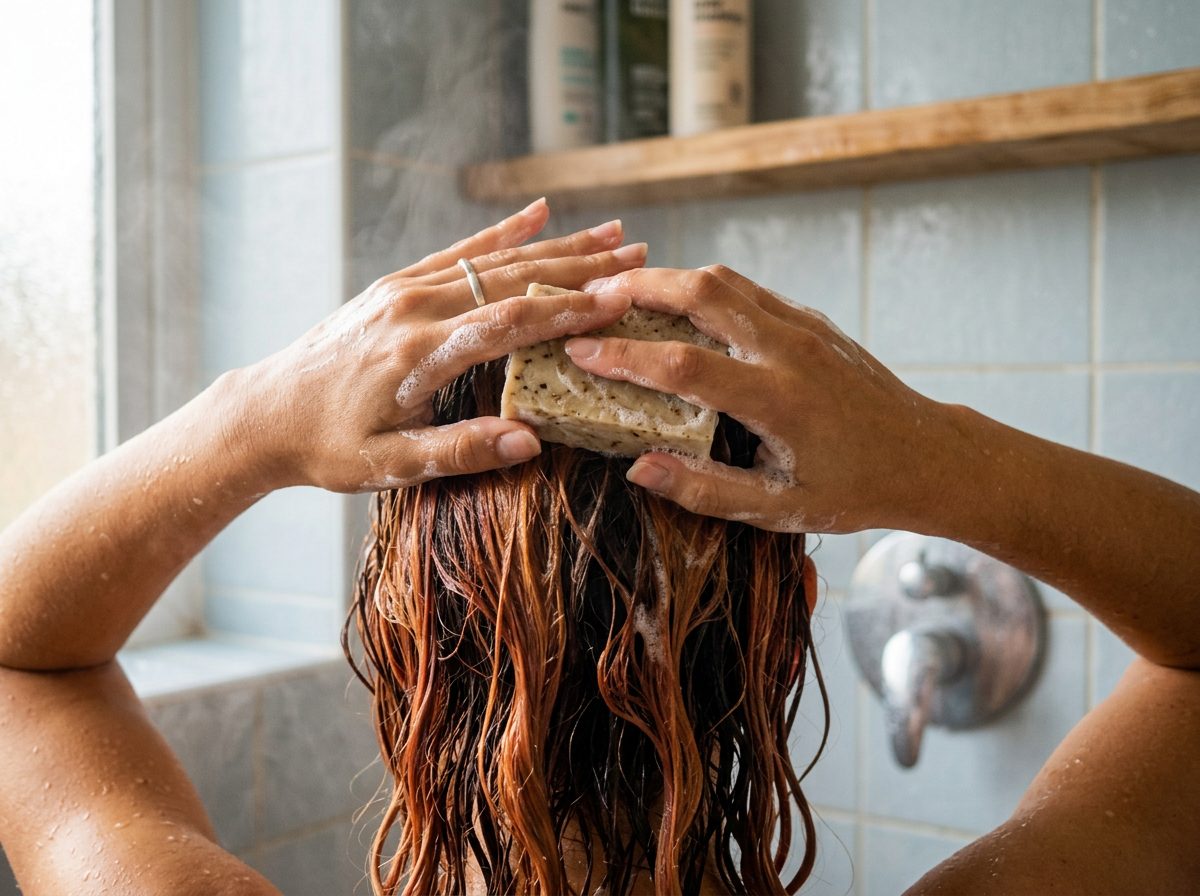
Hard water minerals (calcium, magnesium) are color-killers: – Create soap scum → dull film over hair – Oxidize dye molecules → premature fading – Make blonde hair brassy, brunette hair ashy, red hair orange
Detergent bars + citric acid neutralize minerals → no buildup → vibrant color.
(If you have hard water + colored hair, this is non-negotiable.)
4. No Silicones
Liquid shampoos coat hair in silicones to fake shine. Problem: – Silicones block color-depositing treatments (toners, glosses) – Create buildup that makes color look dull – Require sulfate shampoos to remove → vicious cycle
Shampoo bars = silicone-free = real shine from healthy hair, not coating.
5. Concentrated Formula = Less Washing
Shampoo bars last 2-3x longer than liquid bottles → you wash less frequently → color fades slower.
Plus, bars encourage “less is more” mentality (vs. over-pouring liquid shampoo).
Best Ingredients in Shampoo Bars for Color-Treated Hair
✅ Color-Protecting Stars
- Argan Oil – Rich in vitamin E, seals cuticles, adds shine, prevents fading
- Jojoba Oil – Lightweight moisture, balances scalp oil (reduces wash frequency)
- Coconut Oil – Penetrates hair shaft, prevents protein loss (color retention)
- Shea Butter – Locks in moisture, reduces breakage, protects against oxidation
- Vitamin E (Tocopherol) – Antioxidant that neutralizes free radicals (prevents color oxidation)
- UV Filters – Protect against sun fading (look for ethylhexyl methoxycinnamate)
✅ pH Balancers
- Citric Acid – Lowers pH to 5-6, seals cuticles, removes hard water minerals
- Apple Cider Vinegar (ACV) – Acidic rinse that locks in color, adds shine
✅ Gentle Surfactants (Detergent-based Bars Only)
- Sodium Cocoyl Isethionate (SCI) – Mild cleanser, preserves color
- Cocamidopropyl Betaine – Gentle, non-stripping, pH-friendly
✅ Moisture + Strength
- Keratin – Rebuilds damaged hair, prevents breakage
- Panthenol (Pro-Vitamin B5) – Hydrates, reduces split ends
- Silk Protein – Adds softness, prevents color from washing out
❌ Ingredients to AVOID
- Sulfates (sodium lauryl sulfate, sodium laureth sulfate, ammonium lauryl sulfate)
- Alcohol denat. (drying, causes fading)
- Chlorine (if you swim, wear a cap or use chlorine-removing shampoo bar)
- High-pH bars without ACV rinse – Unrinsed alkaline residue can open cuticles; always follow cold-process soap bars with an ACV rinse to close cuticles and lock in color
- Harsh essential oils (lemon, peppermint in high concentrations — can fade color)
Detergent-based vs Soap: Which Shampoo Bars for Color-Treated Hair Win?
| Feature | Detergent-based Bars | Soap-Based Bars |
|---|---|---|
| pH | 5-6 (color-safe) | 9–10 (use ACV rinse after to close cuticle) |
| Color retention | ✅ Excellent (gentle cleansing) | ✅ Good with ACV rinse (closes cuticles after wash) |
| Hard water | ✅ Citric acid neutralizes minerals | ❌ Creates dull buildup |
| Sulfates | None (color-preserving) | None, but high pH damages color |
| Best for | All color-treated hair | ✅ Recommended with ACV rinse for dyed hair |
If you color your hair, always pair your cold-process soap bar with an ACV rinse. The rinse closes the cuticle and locks in color — making cold-process soap a genuinely color-safe choice.
How to Use Shampoo Bars for Color-Treated Hair to Maximise Retention
Step 1: Wait 48-72 Hours After Coloring
- Fresh dye needs time to fully oxidize and set
- Washing too soon = color washes down the drain
- Wait 3 days minimum before first wash
Step 2: Wash with Cool/Lukewarm Water
- Hot water opens cuticles → color escapes
- Cool water seals cuticles → locks in color
- Final rinse: cold water for extra shine + color protection
Step 3: Wet Hair Thoroughly
- Fully saturate strands (30-60 seconds)
- Water dilutes shampoo → gentler cleansing
Step 4: Lather the Bar (Hands First)
- Rub bar between wet hands → build foam
- Apply foam to scalp (not rubbing bar directly on colored hair)
- Minimize friction on color-treated ends
Step 5: Cleanse Scalp ONLY
- Focus lather on roots/scalp
- Let suds rinse through mid-lengths + ends (that’s enough cleaning for colored hair)
- Over-washing lengths = faster fading
Step 6: Rinse THOROUGHLY (2x)
- Residue = dull color
- Hard water? Rinse 3x + finish with ACV rinse
Step 7: Condition Mid-Lengths to Ends
- Color-treated hair needs moisture
- Use a color-safe conditioner bar (or liquid conditioner)
- Avoid roots (causes greasiness)
Step 8: Apple Cider Vinegar Rinse (Optional but Recommended)
- Mix 1 tbsp ACV : 1 cup water
- Pour over hair after conditioning
- Rinse lightly (leave slight acidity for color protection)
- Especially important if you have hard water
Frequency:
- First 2 weeks after coloring: 1-2x/week max
- Weeks 3-6: 2-3x/week
- Maintenance: 2-3x/week (less is more for colored hair)
Special Considerations by Hair Color
Blonde/Light Hair (Bleached, Highlighted, Balayage)
Challenges: – Brassiness (yellow/orange tones from hard water minerals) – Damage from bleach → porous hair → color fades faster – UV sensitivity (light hair shows sun damage quickly)
Shampoo Bar Tips: – Use purple shampoo bars 1x/week (neutralizes brassiness) – Look for keratin + panthenol (repairs bleach damage) – Citric acid is essential (removes mineral deposits that cause yellow tones) – Alternate: purple bar (1x/week) + gentle sulfate-free bar (other washes)
Hard Water Fix: – Install shower filter (99% of brassiness is hard water minerals, not your shampoo) – ACV rinse after every wash (dissolves mineral buildup)
Brunette/Dark Hair (Brown, Black, Espresso)
Challenges: – Hard water makes brown hair look ashy/gray – Color can fade to red/brassy undertones – Dullness (natural shine harder to see on dark hair)
Shampoo Bar Tips: – Look for argan oil + shea butter (adds shine, prevents fading) – Blue shampoo bars if you have cool-toned brown (neutralizes orange/red) – Citric acid removes mineral film (reveals true color depth) – Avoid lemon/citrus essential oils (can lighten dark dye over time)
Shine Boosters: – ACV rinse (makes brunette hair glossy) – Cool water final rinse (seals cuticles for mirror-like shine)
Red Hair (Auburn, Copper, Burgundy, Mahogany)
Challenges: – Red dye fades FASTEST (molecules are largest, sit on surface of hair shaft) – Sunlight = red’s worst enemy (oxidizes copper tones → orange/pink) – Hard water minerals turn red hair muddy brown
Shampoo Bar Tips: – Wash LEAST frequently (1-2x/week max — red needs minimal disruption) – Use color-depositing red shampoo bars (refresh color between salon visits) – Look for vitamin E + UV filters (prevent oxidation) – Citric acid is CRITICAL (hard water destroys red faster than any other color)
Maintenance: – Dry shampoo between washes (extend time between shampoos) – Cold water rinses ONLY (hot water fades red in 1-2 washes) – ACV rinse (adds shine, seals color) – Wear hats in strong sun (UV protection)
Fashion Colors (Pink, Purple, Blue, Green, Pastel)
Challenges: – Fade within 4-8 washes (semi-permanent dyes sit on surface) – Bleed/stain pillowcases, towels – Hard water turns pastels muddy gray
Shampoo Bar Tips: – Wash with cold water ONLY (lukewarm fades fashion colors in 2-3 washes) – Use sulfate-free cold-process soap bars with an ACV rinse (gentle and color-safe) – Look for color-depositing bars in your shade (refresh vibrancy) – Skip shampoo for 4-7 days after fresh dye (just rinse with water)
Extend Your Color: – Co-wash (conditioner only) between shampoo washes – Use color-depositing conditioners (refresh tones) – Sleep on silk/satin pillowcases (reduces friction fading) – ACV rinse (seals cuticles, locks in dye)
The Hard Water Problem (Color-Killer)
If you have colored hair + hard water, your color is fading 2-3x faster than it should.
Here’s why:
Hard water contains calcium and magnesium minerals that: 1. React with shampoo → create soap scum 2. Soap scum coats hair → creates dull, gray film over vibrant color 3. Minerals oxidize dye molecules → premature fading 4. Blonde → brassy yellow, Brunette → ashy gray, Red → muddy brown
Solution: 1. Use detergent-based shampoo bars with citric acid (neutralizes minerals) 2. ACV rinse after every wash (dissolves mineral deposits) 3. Install shower filter (removes 90% of calcium/magnesium)
Cities with very hard water (200+ ppm): – London, UK (250-300 ppm) – Amsterdam, Netherlands (180-240 ppm) – Berlin, Germany (200-250 ppm) – Paris, France (180-220 ppm) – Rome, Italy (220-280 ppm) – Phoenix, USA (250-350 ppm)
If you live in these areas, hard water is why your color fades so fast.
Choosing the Best Shampoo Bars for Color-Treated Hair Like Yours
Consider:
Your Color Type:
- Blonde/Highlighted: Purple or blue shampoo bars (1x/week) + gentle detergent bar
- Brunette: Shine-boosting bars with argan oil, shea butter
- Red: Color-depositing red bars + vitamin E
- Fashion colors: Ultra-gentle detergent bars, minimal washing
Your Hair Type:
- Fine/thin: Lightweight bars (avoid heavy oils that weigh down color-treated fine hair)
- Thick/coarse: Moisturizing bars (shea butter, coconut oil)
- Curly/textured: Gentle cleansers with natural oils
Your Water Hardness:
- Hard water (120+ ppm): Use cold-process soap bars + always finish with an ACV rinse to prevent mineral buildup and colour fade
- Soft water: More flexibility, but detergent bars still gentler
Damage Level:
- Bleached/chemically treated: Keratin, panthenol, silk protein (repair damage)
- Virgin hair + semi-permanent dye: Gentle moisture (jojoba, argan)
Brand Transparency:
- Full ingredient list (check for sulfates, high pH)
- pH disclosure (should be 4.5-6)
- Hard water testing (detergent-based formulation with citric acid)
- Color-safe certification (or customer reviews from colored-hair users)
What to Expect (Timeline)
Week 1: Adjustment Phase
- Color may seem slightly different (buildup removal reveals true color)
- Hair feels different texture (no silicone coating)
- Stick with it — this is normal
Week 2-4: Color Stability
- Fading slows noticeably
- Vibrancy returns (especially if hard water was your problem)
- Shine improves
Week 5-8: Extended Color Life
- Color lasts 3-6 weeks longer than with liquid shampoos
- Less need for root touch-ups or toning
- Hair feels healthier, softer
Month 3+: Long-Term Benefits
- Significant cost savings (fewer salon visits)
- Healthier hair = better color retention
- Less damage from over-processing
Why Natural Answer Bars Work for Colored Hair
Full transparency (because you deserve honesty about your hair color investment):
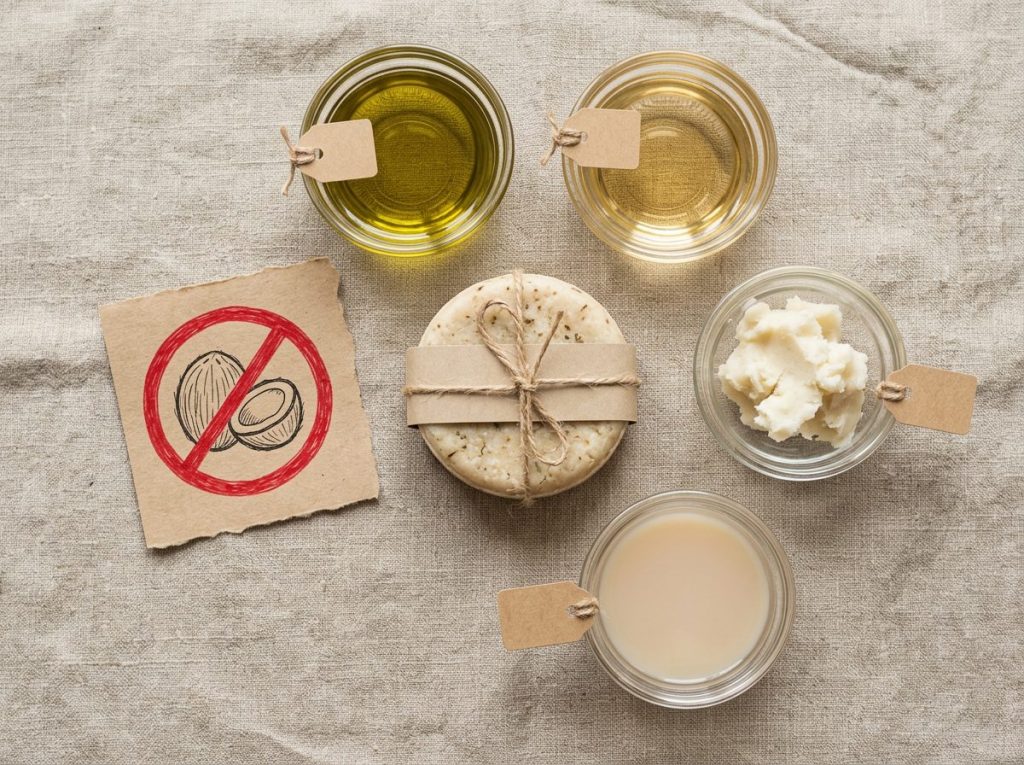
What makes our bars color-safe: 1. True cold process soap (pH 9-10, saponified organic oils: olive, coconut, castor, shea, sweet almond, rice bran — NO sulfates, nothing synthetic) 2. ACV rinse compatible — follow each wash with apple cider vinegar rinse to neutralise hard water minerals and close cuticles 3. Plant oils that seal cuticles (shea, coconut, castor — lock in color, add shine) 4. No silicones (allows color-depositing treatments to work) 5. Palm oil-free (ethical sourcing + cleaner formulation) 6. Plastic-free (no chemical leaching that oxidizes dye) 7. Handmade in small batches (quality control, fresh ingredients)
What we DON’T do: – Use sulfates (color-strippers) – Add synthetic fragrances (can irritate color-treated scalps) – Greenwash with “sustainable palm oil” (we skip it entirely)
Our bars work for colored hair because they’re designed for hard water + gentle cleansing. If you live in Europe (where 70% of areas have hard water), this is your color-saving solution.
FAQs
Q: Will shampoo bars strip my hair color? A: Cold-process soap bars (pH 9–10) are color-safe when paired with an ACV rinse, which closes the cuticle and locks in color. Sulfates and harsh detergents cause fading — NAP bars contain neither.
Q: Can I use purple shampoo bars on blonde hair? A: Yes, but only 1-2x/week. Alternate with a gentle sulfate-free bar.
Q: How often should I wash colored hair with a shampoo bar? A: 1-2x/week for the first 2 weeks after coloring, then 2-3x/week max.
Q: Will shampoo bars work on fashion colors (pink, purple, blue)? A: Yes, but use cold water, wash minimally (1x/week), and look for color-depositing bars.
Q: Do I need an ACV rinse every time? A: Only if you have hard water or notice dullness. 2-3x/week is usually enough.
Q: Can I use shampoo bars with balayage or ombre? A: Yes. Focus cleansing on roots/scalp, let suds rinse through colored ends.
Final Thoughts
Hair color is expensive (€50-€200 per salon visit) and time-consuming (2-4 hours).
You deserve products that protect your investment.
Shampoo bars — specifically cold-process soap bars with an ACV rinse — can extend your color by 3-6 weeks, prevent brassiness, and keep vibrancy between salon visits.
They’re not magic. They’re chemistry: gentle cleansing + acidic pH + mineral neutralization = sealed cuticles + locked-in color.
If you’re tired of watching your expensive balayage fade to brassy yellow in 2 weeks, try a color-safe shampoo bar for 6 weeks.
Your color (and your wallet) will thank you.
Questions? Drop them below. I’ve helped hundreds of people extend their hair color with shampoo bars — happy to troubleshoot.
Resources: – Best Shampoo Bars for Blonde Hair – Shampoo Bars for Hard Water – How to Use Shampoo Bars – Apple Cider Vinegar Rinse Guide